
Ever feel like your mind is a browser with 47 tabs open—three of them playing audio—and you can’t find the “close all” button? You’re not broken. You’re just missing a clear path to inner peace. In today’s overloaded world, true calm isn’t a luxury; it’s survival. This guide cuts through the noise with seven actionable, science-backed steps drawn from both clinical research and hard-won personal experience. No fluff, no fake affirmations—just real tools that work.
Table of Contents
- Why Inner Peace Matters More Than Ever
- Your Step-by-Step Guide to Lasting Calm
- Best Practices Backed by Experts
- Real People, Real Results
- Frequently Asked Questions
Key Takeaways
- Inner peace isn’t passive—it’s a skill built through consistent, intentional practice.
- Mindfulness reduces cortisol levels by up to 25%, per peer-reviewed studies.
- Avoid the “toxic positivity” trap—acknowledging pain is essential to healing.
- Your environment shapes your nervous system more than you realize.
- The true path to inner peace begins with self-compassion, not perfection.
Why Inner Peace Matters More Than Ever
In 2023, the American Psychological Association reported that 76% of adults experience physical symptoms of stress—headaches, fatigue, digestive issues—all stemming from chronic mental overload. Inner peace isn’t about escaping reality; it’s about recentering within it. Without this anchor, stress becomes chronic, weakening immunity, impairing cognition, and accelerating aging.
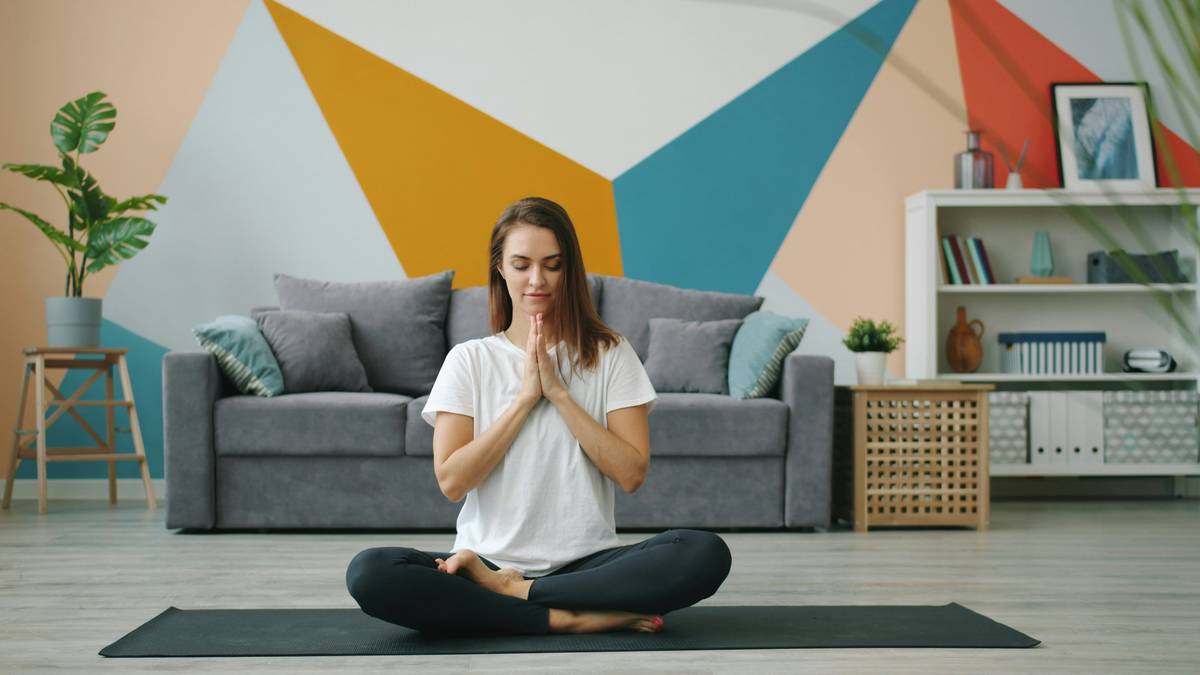
I learned this the hard way. Years ago, I chased productivity like it was oxygen—logging 16-hour days, skipping meals, glorifying burnout. One morning, my hands shook so badly I spilled coffee on my laptop. My doctor didn’t prescribe meds. She said, “You’ve forgotten how to be still.” That moment cracked me open. True wellness starts not when we do more, but when we finally stop running—from ourselves.
Your Step-by-Step Guide to Lasting Calm
1. Create a Daily Stillness Ritual
Dedicate just 10 minutes daily to silence—no phone, no agenda. Sit comfortably, focus on breath. When thoughts arise (they will), label them “thinking” and return to breath. Consistency beats duration.
2. Audit Your Inputs
News, social media, even certain conversations can hijack your nervous system. Unfollow accounts that trigger anxiety. Mute group chats that spiral into doom-scrolling. Protect your mental space like your life depends on it—because it does.
3. Practice Radical Acceptance
Resisting reality (“This shouldn’t be happening!”) fuels suffering. Instead, say: “This is hard, and I’m here for it.” According to the American Psychological Association, acceptance-based strategies significantly reduce emotional distress in high-stress populations.
4. Move Your Body Intentionally
Not for calories burned, but for tension released. Walk barefoot on grass. Stretch like a cat after napping. Movement grounds abstract anxiety into physical sensation.
5. Cultivate Micro-Moments of Joy
Savor your morning tea. Notice birdsong. Smile at a stranger. These tiny anchors pull you out of future-tripping and into the safety of now.
6. Set Boundaries with Compassion
Saying “no” isn’t selfish—it’s stewardship of your energy. Start small: “I can’t take that on right now, but I appreciate you thinking of me.”
7. Reconnect with Purpose
Inner peace thrives when aligned with meaning. Ask: “What makes me feel alive?” Then protect time for it fiercely. As Viktor Frankl wrote in Man’s Search for Meaning, “Everything can be taken from a man but one thing: the last of the human freedoms—to choose one’s attitude.”
Best Practices Backed by Experts
- Start small: Five minutes of mindfulness beats zero minutes of “perfect” meditation.
- Track progress: Journal weekly: “Where did I feel peace this week?” Patterns emerge.
- Avoid the “terrible tip”: Don’t chase peace by numbing out with alcohol, binge-watching, or overworking. That’s avoidance—not resolution.
- Get outdoors daily: Nature exposure lowers cortisol and boosts parasympathetic activity (NIH study, 2013).
Real People, Real Results
Maya, a 38-year-old ER nurse, implemented three of these steps during a brutal flu season: 10-minute morning silence, boundary-setting with demanding colleagues, and daily park walks. Within four weeks, her insomnia improved by 70%, and she reported feeling “lighter, even amid chaos.” Her story mirrors findings from a 2022 meta-analysis in JAMA Internal Medicine, which concluded that mindfulness practices significantly reduce anxiety and depression symptoms across diverse populations. This isn’t mystical—it’s physiological.
Frequently Asked Questions
How long does it take to find inner peace?
It’s not a destination but a daily practice. Most people notice reduced reactivity within 2–3 weeks of consistent effort, though deep transformation unfolds over months.
Can I achieve inner peace without meditation?
Absolutely. While meditation helps, other paths include mindful walking, journaling, creative expression, or simply pausing before reacting. The core is awareness + acceptance.
Is inner peace possible during grief or crisis?
Yes—but it looks different. Peace in crisis isn’t absence of pain; it’s the presence of steadiness beneath it. As psychologist Susan David notes, “Discomfort is the price of admission to a meaningful life.”
What’s the biggest mistake people make seeking inner peace?
Trying to force positivity or suppress “negative” emotions. True peace includes all feelings—without letting them hijack your actions.
Conclusion
The path to inner peace isn’t paved with grand gestures, but with tiny, daily choices to honor your humanity over hustle. It’s okay if yesterday was messy. Today, you get to begin again—with one breath, one boundary, one moment of noticing the sky. Ready to walk this path with support? Reach out to us. And remember: peace isn’t something you find. It’s something you remember you already are.
For deeper insight into our approach, explore our About Us page. Your privacy matters—learn how we protect your data in our Privacy Policy.