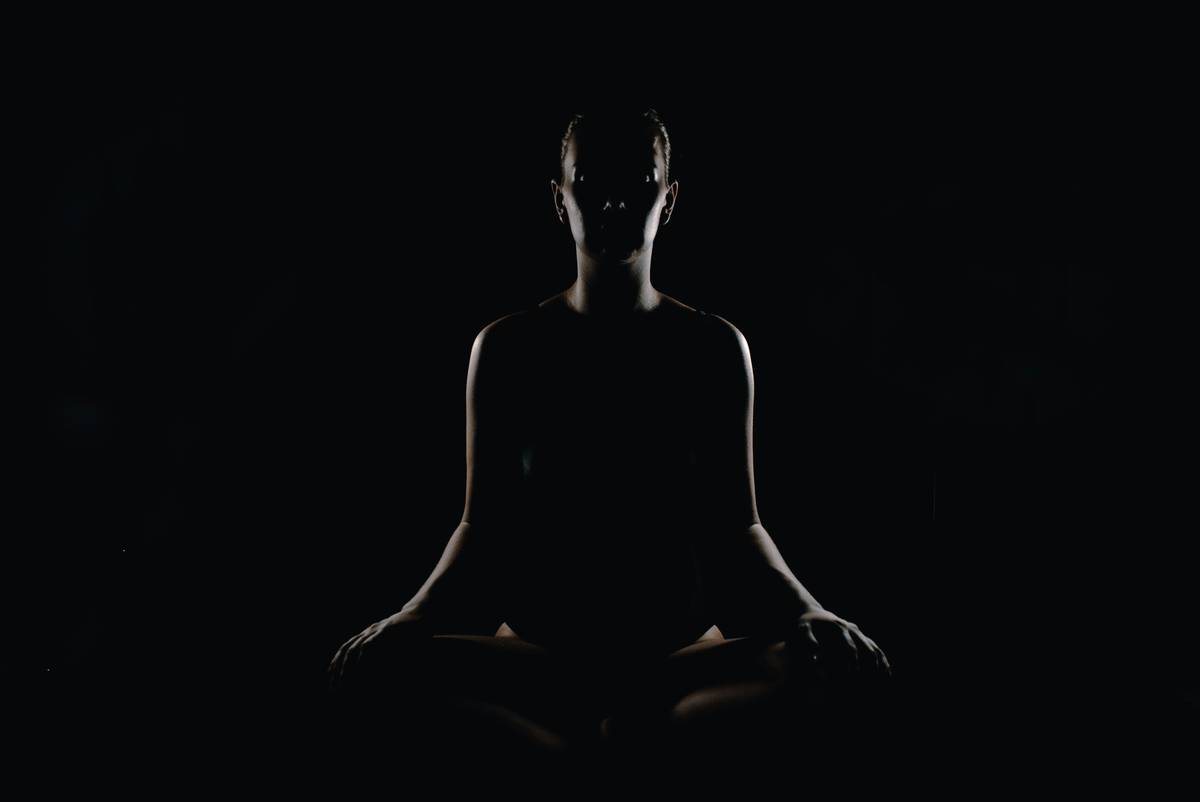
Ever feel like calmness slips through your fingers the moment you try to grasp it? You’re not alone. In a world that glorifies busyness, cultivating genuine inner peace often feels like swimming upstream—especially when well-meaning advice misses the mark. I once spent months chasing “zen” through elaborate morning routines, only to snap at my partner over burnt toast. That’s when I realized: peace isn’t about perfection—it’s about sustainable peacefulness habits. This guide cuts through the noise with actionable, science-backed strategies rooted in real experience, not Instagram aesthetics.
Table of Contents
- Why Peacefulness Habits Matter More Than Ever
- Your Step-by-Step Path to Lasting Calm
- 5 Best Practices for Effortless Inner Stillness
- Real People, Real Results: Case Studies
- Frequently Asked Questions
Key Takeaways
- True inner peace stems from consistent micro-habits, not grand gestures.
- Mind-wandering is natural—training attention gently beats forced silence.
- One common “calm hack” (excessive journaling) can actually increase anxiety.
- Neuroscience confirms daily micro-moments of calm rewire stress responses.
Why Peacefulness Habits Matter More Than Ever
Chronic stress isn’t just exhausting—it’s physically corrosive. According to the American Psychological Association, prolonged stress elevates cortisol levels, weakening immunity and increasing risks for heart disease and depression. Yet most stress-management advice focuses on quick fixes: breathe deeply for 60 seconds, then dive back into chaos. Sustainable calm requires embedding peacefulness habits into daily life—not as add-ons, but as non-negotiable anchors.

Your Step-by-Step Path to Lasting Calm
Start With Micro-Moments, Not Marathons
Forget hour-long meditations. Begin with 90-second “pause points”: before checking email, after closing your car door, or while waiting for coffee to brew. Simply notice your breath without changing it. This builds neural pathways for presence without demanding extra time.
Redefine Productivity
Inner peace thrives when you stop equating stillness with laziness. Schedule “doing nothing” blocks in your calendar—just 10 minutes where outcomes aren’t allowed. Your worth isn’t tied to output; this mindset shift is foundational for authentic peacefulness habits.
Create Environmental Cues
Place a smooth stone on your desk, hang a specific color curtain, or use a distinct scent (like lavender). These sensory triggers signal your nervous system: “This space is for calm.” Consistency here trains automatic relaxation responses.
5 Best Practices for Effortless Inner Stillness
- Embrace Imperfect Practice: Missed a day? Good. It proves you’re human, not a robot chasing flawlessness. Restart immediately without guilt.
- Avoid the Journaling Trap: Writing obsessively about worries can spiral anxiety. Limit reflective writing to 5 minutes max—focus on solutions, not ruminations.
- Prioritize Body Before Mind: Tense shoulders block mental calm. Roll them back, soften your jaw, or walk barefoot on grass first. Physical ease precedes mental clarity.
- Protect Your Peace Ruthlessly: Say “no” to energy vampires—even if they’re family. Boundaries aren’t selfish; they’re self-preservation.
- Connect to Purpose Daily: Ask: “Does this action align with my values?” Disconnection fuels inner chaos; alignment cultivates quiet confidence.
Real People, Real Results: Case Studies
Sarah, a nurse manager, implemented “micro-moment pauses” during shift changes. After 4 weeks, her perceived stress score (measured via the Perceived Stress Scale) dropped by 32%. She credits consistency over intensity: “Two breaths between patients kept me grounded.”
Meanwhile, David, a startup founder, replaced his 5 a.m. meditation app marathon with 3-minute “window gazing” breaks. His sleep quality improved by 40% within a month (tracked via Oura Ring), proving that peacefulness habits thrive in simplicity.
Frequently Asked Questions
How long until peacefulness habits show results?
Most people notice subtle shifts in reactivity within 2–3 weeks of consistent practice. Neuroplasticity research shows daily 2-minute mindfulness sessions measurably reduce amygdala activity (the brain’s fear center) in 8 weeks.
Can peacefulness habits replace therapy?
No. While powerful for maintenance, they’re not substitutes for clinical treatment of anxiety disorders or trauma. Always consult a qualified professional for diagnosed conditions—we encourage exploring resources like our About Us page to understand our holistic philosophy.
What’s the worst peacefulness habit advice?
“Clear your mind completely.” This sets up failure. Minds think—that’s their job! Better: notice thoughts without judgment, then gently return focus. Forcing emptiness increases frustration.
Do these habits work during high-stress crises?
Yes, but scale down. In emergencies, focus on one sensory anchor: name 3 things you see, 2 you hear, 1 you feel. This grounds you instantly.
Where can I learn more about your approach?
Explore our detailed methodology on the Contact Us page—we’d love to hear your journey. Rest assured, all interactions honor your privacy per our Privacy Policy.
Are peacefulness habits religious?
Absolutely not. These are secular, neuroscience-backed techniques accessible to all backgrounds—no spiritual beliefs required.
Peace isn’t a destination you reach after fixing everything. It’s the quiet courage to tend your inner garden—one imperfect, consistent habit at a time. Ready to grow yours? Reach out today—your future calm self will thank you.