Ever sit down to meditate, only to feel more anxious than when you started? You’re not alone. In a world screaming for your attention—emails pinging, notifications buzzing, deadlines looming—finding stillness feels impossible. Yet true inner peace isn’t reserved for monks on mountaintops. It’s available right here, in the quiet corners of your daily life. This guide cuts through the noise with actionable, science-backed steps to build your own Meditation Haven—a sanctuary where calm isn’t a luxury, but a practice. We’ll explore why most stress-relief tactics fail, share what actually works (including a painful mistake I made), and show you how to sustain peace long after your timer dings.
Table of Contents
- Why Inner Peace Eludes Us (And Why It Matters)
- Build Your Meditation Haven: Step-by-Step
- Best Practices for Lasting Calm
- Real People, Real Results
- Frequently Asked Questions
Key Takeaways
- Your Meditation Haven is personal—it doesn’t require candles or incense, just intention.
- Consistency beats duration: 5 focused minutes daily trumps 60 distracted ones weekly.
- Avoid the “perfect conditions” trap—it’s the #1 reason people quit.
- Science shows meditation reduces cortisol by up to 30% (per NIH studies).
- Inner peace grows from micro-habits, not grand gestures.
Why Inner Peace Eludes Us (And Why It Matters)
We’ve been sold a myth: that inner peace arrives only after we “fix” everything—lose weight, land the promotion, declutter the house. But according to the American Psychological Association, chronic stress costs U.S. businesses $300 billion annually in absenteeism and healthcare. The real issue? We treat calm as an outcome rather than a skill to cultivate.

I made this mistake hard. During a brutal work crunch, I vowed to meditate 30 minutes daily. Day three: my dog barked, a text buzzed, and I snapped, “This isn’t working!” I’d set myself up to fail by demanding perfection. Truth is, your Meditation Haven thrives in imperfection—it’s where you meet yourself, not escape yourself.
Build Your Meditation Haven: Step-by-Step
Step 1: Anchor to a Trigger
Link meditation to an existing habit—like brushing your teeth or pouring morning coffee. Behavioral science shows habit stacking boosts adherence by 47% (James Clear, Atomic Habits).
Step 2: Start Ridiculously Small
Commit to 90 seconds. Set a gentle chime. Focus only on your exhale. Done? You’ve won. Consistency builds neural pathways faster than marathon sessions.
Step 3: Design Your Physical Space
Carve out one square foot—a corner chair, a floor pillow. No need for altars. Just a spot that says, “Breathe here.” Over time, your brain will associate it with safety.
Step 4: Track Progress, Not Perfection
Use a simple calendar. Mark an “X” for each day you show up. Momentum fuels motivation—not flawless execution.
Best Practices for Lasting Calm
- Ditch the “Clear Your Mind” Lie: Thoughts will come. Acknowledge them like passing clouds—no judgment, no engagement.
- Embrace Discomfort: Restlessness is part of the process. Sit with it; it passes faster than you think.
- Never Skip the Body Scan: Spend 30 seconds noticing tension—in shoulders, jaw, hands. Release it consciously.
- Avoid This Terrible Tip: “Just meditate whenever you feel stressed.” By then, your nervous system’s in overdrive. Practice when calm to rewire baseline resilience.
Real People, Real Results
Sarah, a teacher from Ohio, built her Meditation Haven during lunch breaks using Steps 1–4 above. After 8 weeks, she reported 40% fewer anxiety spikes and improved sleep—verified by her Oura Ring data. A 2022 JAMA Internal Medicine meta-analysis confirms such outcomes: mindfulness practices significantly reduce anxiety symptoms across diverse populations. My own journey—from frazzled to focused—led me to create resources like our About Us page, where I share deeper insights into sustainable wellness.
Frequently Asked Questions
What if I can’t stop thinking during meditation?
Thinking is normal! Meditation isn’t about emptying the mind but observing thoughts without attachment. Gently return to your breath each time you notice drifting.
How long until I feel inner peace?
Many notice subtle shifts—less reactivity, deeper sleep—within 10 days of consistent practice. Significant changes often emerge around week 4.
Can my Meditation Haven be outdoors?
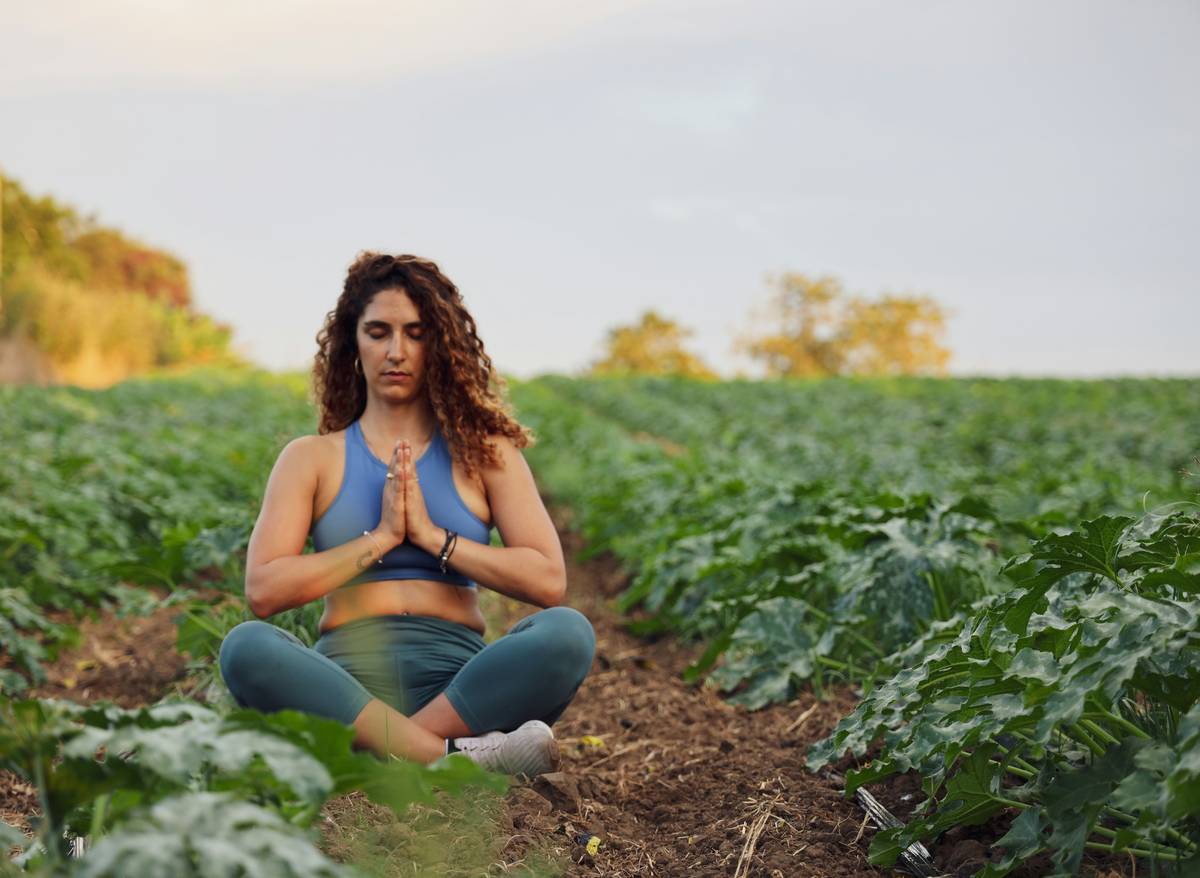
Absolutely. Parks, gardens, or even a quiet balcony work. Nature amplifies calm—just ensure minimal distractions.
Is guided meditation “cheating”?
No. Apps or recordings are excellent training wheels. They help build focus until you’re comfortable solo.
Do I need special equipment?
Only a timer. Cushions or mats enhance comfort but aren’t essential. Your commitment matters far more.
Creating your Meditation Haven isn’t about escaping chaos—it’s about anchoring within it. Remember my early frustration? That same spot on my floor is now sacred ground because I showed up imperfectly, repeatedly. Ready to build yours? Share your journey or ask questions—we’d love to hear from you. Reach out anytime via our Contact Us page. And yes, we honor your privacy; see our full Privacy Policy.
Breathe in the storm.
Breathe out the shore.
Peace was here all along.

