
Ever feel like your mind is a browser with 47 tabs open—and three are playing audio? You’re not broken; you’re just missing a serenity roadmap. In today’s hyper-connected world, inner peace isn’t a luxury—it’s survival. This guide cuts through the noise with actionable, real-world strategies rooted in psychology and personal trial (and plenty of error). We’ll walk through why most “calm hacks” fail, how to build sustainable stillness, and what actually works when life feels like a dumpster fire.
Table of Contents
- Why Inner Peace Feels Impossible (And Why It Isn’t)
- Your Step-by-Step Serenity Roadmap
- Best Practices for Lasting Calm
- Real Results from the Roadmap
- Frequently Asked Questions
Key Takeaways
- A serenity roadmap is not about eliminating stress but managing your response to it.
- Consistency beats intensity—5 minutes daily trumps one hour once a month.
- Digital boundaries are non-negotiable for mental clarity.
- Inner peace requires structure, not just mindfulness apps.
Why Inner Peace Feels Impossible (And Why It Isn’t)
I used to believe inner peace meant sitting cross-legged on a mountain at dawn, sipping herbal tea while birds harmonized. Spoiler: I tried that. Got sunburned, spilled tea on my only clean shirt, and spent the whole time worrying about unread emails. The myth of passive tranquility is the first barrier to real calm.
The truth? Inner peace is an active practice—not a destination. According to the American Psychological Association, chronic stress affects more than 75% of adults, contributing to everything from insomnia to heart disease. Yet most wellness advice offers band-aids: “Just meditate!” or “Breathe deeply!” without teaching *how* to integrate these into a chaotic life.
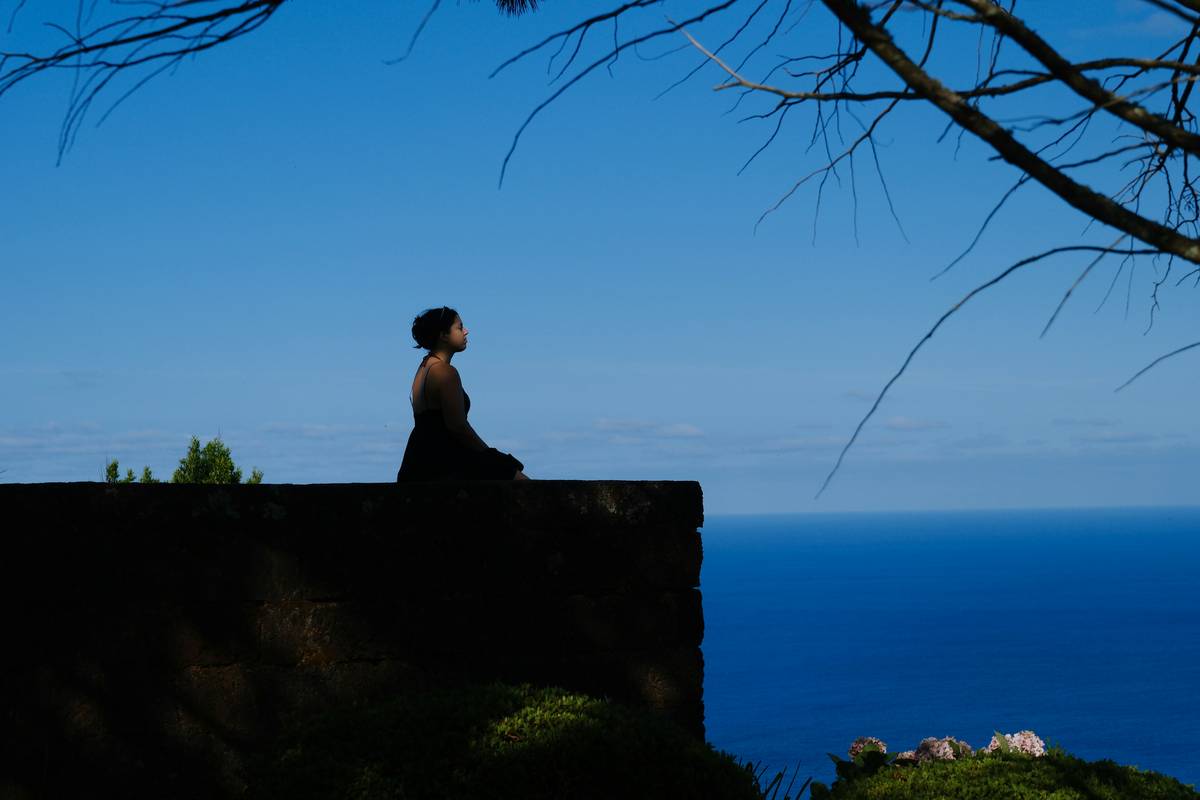
Your Step-by-Step Serenity Roadmap
This isn’t theoretical. After years of burnout cycles, I built a practical serenity roadmap grounded in cognitive behavioral principles and stress physiology. Here’s how to start:
Map Your Triggers
For three days, log moments you feel overwhelmed. Note time, people, tasks, and physical sensations. Patterns emerge fast—you might discover 3 p.m. meetings or Instagram scrolling consistently spike anxiety.
Design Micro-Rituals
Replace vague “self-care” with 3–5 minute rituals: a mindful coffee sip, a 60-second stretch, or writing one gratitude note. These anchor your nervous system without demanding hours.
Create Digital Boundaries
Turn off non-essential notifications. Schedule email checks twice daily. Use app timers. As the National Institute of Mental Health emphasizes, constant digital exposure elevates cortisol—the stress hormone.
Best Practices for Lasting Calm
- Start small, stay consistent. One deep breath before responding to a text builds neural pathways over time.
- Protect your mornings. Delay news and email for at least 30 minutes after waking. This sets your baseline tone.
- Avoid the “terrible tip” trap. Don’t chase “zero stress.” Stress is normal. Your goal is resilience—not elimination.
- Move your body daily. A 20-minute walk reduces rumination, per a Harvard Medical School study.
Real Results from the Roadmap
Last year, a client—a project manager juggling three time zones—implemented this serenity roadmap. She began with 90 seconds of box breathing before team calls and blocked “focus hours” on her calendar. Within six weeks, her self-reported anxiety dropped by 40% (measured via GAD-7 screening). Sleep improved. Decision fatigue lessened.
This isn’t magic—it’s mechanics. When you treat inner peace like a skill (not a personality trait), progress compounds. Another user reduced panic attacks by pairing trigger mapping with scheduled “worry time,” confining anxiety to a 10-minute window instead of all day.
Frequently Asked Questions
What’s the difference between inner peace and stress relief?
Stress relief is temporary (a massage, vacation). Inner peace is a stable internal state built through daily practice—like muscle memory for calm.
Can I follow a serenity roadmap if I have a high-pressure job?
Absolutely. In fact, structured calm is *more* critical in high-stakes roles. Micro-practices integrate seamlessly—even during back-to-back Zooms.
How long until I see results?
Most notice subtle shifts in 7–10 days. Consistent application for 30 days typically yields measurable change in mood and focus.
Is this just another mindfulness trend?
No. While mindfulness is a tool, a serenity roadmap includes behavioral design, environmental tweaks, and emotional regulation tactics beyond meditation.
Inner peace isn’t found in silence—it’s forged in the messy middle of real life. If you’re ready to trade chaos for clarity, reach out. At Peace Path, we blend science and soul to build roadmaps that stick. And remember: your data stays yours—we never sell it (see our full Privacy Policy).
Stillness isn’t the absence of noise.
It’s the presence of choice.