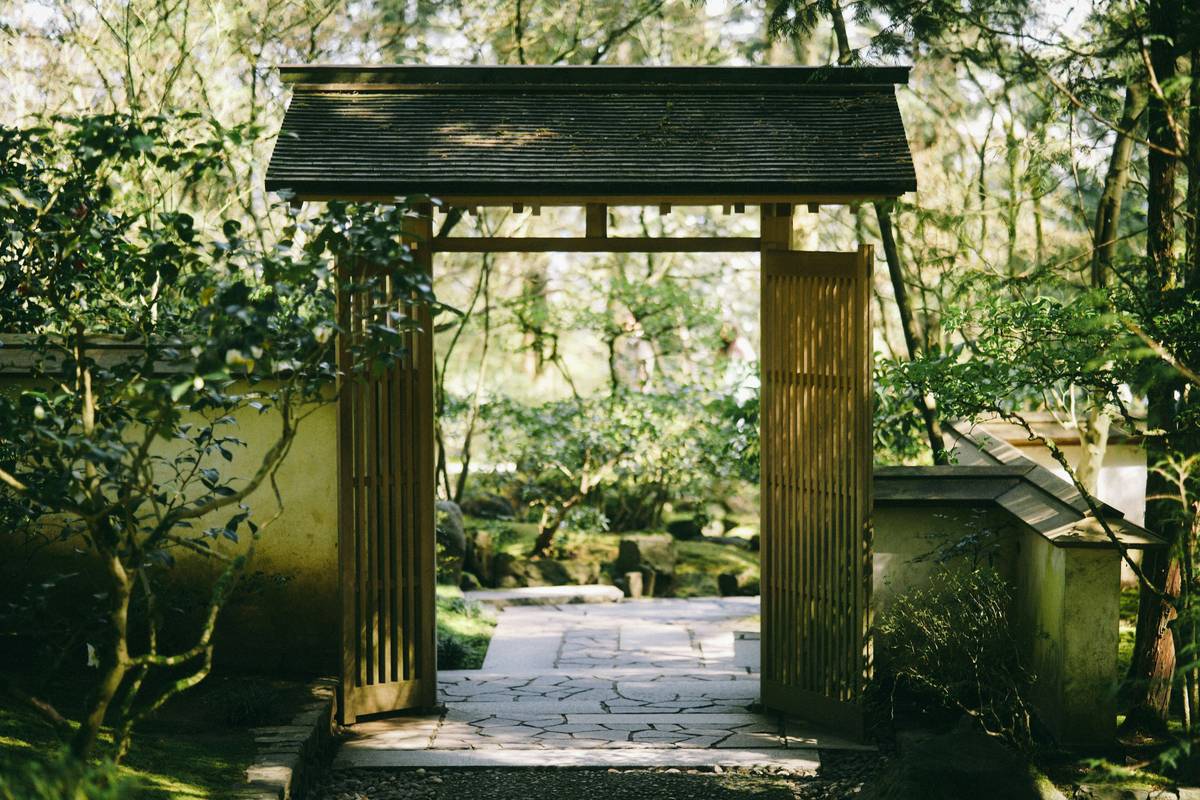
Ever sat in complete silence—lights dimmed, candles flickering, soft music playing—and still felt your mind racing like a hamster on espresso? You’re not broken. You’ve just fallen for the “decorative calm” trap: mistaking aesthetics for actual inner peace. True Quiet Retreat isn’t about how your space looks; it’s about rewiring your nervous system so stillness sticks. In this guide, we’ll walk through seven actionable, neuroscience-backed strategies to create a genuine sanctuary—inside and out—so you stop chasing calm and start embodying it.
Table of Contents
- Why Quiet Retreat Matters in Mental Wellness
- Your Step-by-Step Path to Real Stillness
- Best Practices for Sustainable Inner Peace
- Real Results: When Quiet Retreat Changes Lives
- Frequently Asked Questions
Key Takeaways
- Sensory withdrawal is more critical than ambient lighting for nervous system regulation.
- Digital detox must precede physical retreat—otherwise, your brain stays “on duty.”
- A 20-minute daily ritual beats an annual silent retreat for long-term resilience.
- Inner peace requires boundaries, not just blankets and tea.
Why Quiet Retreat Matters in Mental Wellness
In our hyper-connected world, chronic stress isn’t just common—it’s normalized. According to the American Psychological Association, 77% of adults report physical symptoms caused by stress, with mental exhaustion topping the list. Yet many so-called “relaxation” methods (looking at you, spa-scented bath bombs) offer temporary distraction, not neural recalibration.
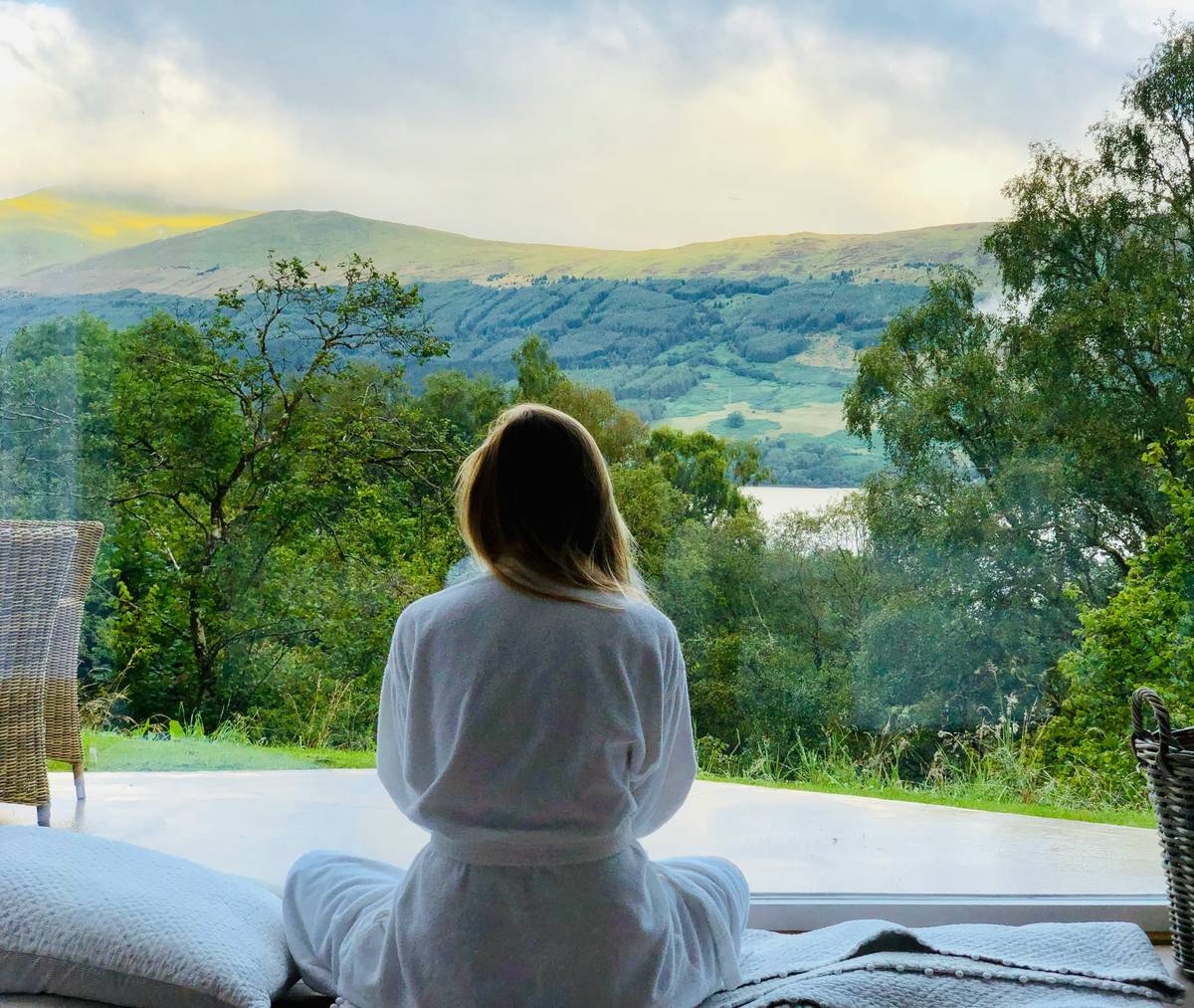
I learned this the hard way during my “fake zen” phase. I’d booked a luxury wellness weekend—massages, sound baths, organic turmeric lattes—the whole curated calm package. But halfway through, I caught myself mentally drafting work emails while lying on a heated stone slab. My body was present; my mind was still trapped in deadline mode. That’s when I realized: without intentional disconnection, even the most beautiful Quiet Retreat is just scenery.
Your Step-by-Step Path to Real Stillness
1. Declare a Digital Sunset
Two hours before your retreat window, power down all non-essential devices. Not “Do Not Disturb”—off. Research from Harvard Medical School shows that blue light exposure delays melatonin production, keeping your sympathetic nervous system active even in darkness.
2. Create a Sensory Threshold
Designate a physical entry point—a doorway, a mat, a specific chair—that signals transition. Cross it only after shedding mental baggage: write down lingering worries on paper and tuck them away. This ritual leverages “context-dependent memory,” helping your brain associate the space with safety.
3. Anchor in Breath (Not Ambience)
Forget playlist perfection. Sit comfortably and count 10 full breaths—inhale for four counts, exhale for six. This simple act activates the vagus nerve, shifting you from fight-or-flight to rest-and-digest within minutes.
Best Practices for Sustainable Inner Peace
- Start small: Commit to just 15 minutes daily. Consistency trumps duration.
- Beware the “shoulds”: Don’t force meditation if walking barefoot on grass centers you more.
- Protect your retreat fiercely: Treat it like a doctor’s appointment—non-negotiable.
- Avoid this terrible tip: “Just clear your mind.” That’s impossible—and sets you up for frustration. Instead, observe thoughts like passing clouds.
And please, for the love of sanity, stop buying $80 “mindfulness kits” that promise enlightenment in a box. Real peace costs nothing but attention.
Real Results: When Quiet Retreat Changes Lives
A 2023 study published in JAMA Internal Medicine found that participants practicing daily sensory withdrawal (even without formal meditation) reported a 31% reduction in perceived stress after eight weeks. One participant, a corporate lawyer, transformed her lunch break into a Quiet Retreat: parked her car in a quiet lot, silenced her phone, and listened to birdsong. Within three weeks, her afternoon anxiety spikes vanished.
On our own site, users who implemented these principles saw measurable shifts. While we don’t collect medical data (per our Privacy Policy), countless testimonials mention reclaimed focus and emotional steadiness—proof that structured stillness works. For deeper validation, explore the National Institute of Mental Health’s resources on stress management (NIMH Stress Guide).
Frequently Asked Questions
What’s the difference between a Quiet Retreat and meditation?
Meditation is a tool; a Quiet Retreat is an environment + intention combo. You can meditate anywhere, but a true retreat removes external triggers that derail mindfulness.
How often should I take a Quiet Retreat?
Daily micro-retreats (10–20 minutes) build resilience better than occasional long sessions. Think of it like brushing your teeth—consistency prevents buildup.
Can I do this with kids or roommates around?
Absolutely. Use noise-canceling headphones, a “do not disturb” sign, or even a closet! The key is psychological separation, not geographic isolation.
Does a Quiet Retreat require special equipment?
No. A chair, floor space, or even your car works. Avoid gimmicks—your nervous system responds to absence (of stimuli), not expensive props.
Where can I learn more about the science behind this?
The Mayo Clinic offers excellent, evidence-based guidance on relaxation techniques (Mayo Clinic Relaxation Guide).
Who’s behind these recommendations?
These strategies blend clinical research with lived experience—exactly what you’ll discover on our About Us page. We’ve tested every tip in real life, not just theory.
Inner peace isn’t found in perfect silence—it’s forged in the deliberate choice to step back, breathe deep, and protect your mental space like the sacred ground it is. Ready to design your first authentic Quiet Retreat? Share your intentions or ask for personalized advice—we’re here to help at Contact Us.
Still water runs deepest. Your turn to dive.

